
Team & Group Coaching
I’ve spent much of my career building, leading, and evolving high-performing leadership teams, in large corporations, mid-sized businesses, and fast-moving startups. One belief has stayed constant throughout: You can have the best strategy in the world, but if you don’t have a strong team, one that feels safe enough to challenge each other, support each other, and grow together, the strategy will fail. That belief sits at the heart of my work with teams and groups. While team coaching and group coaching are sometimes used interchangeably, they serve very different purposes. Both are powerful, when used intentionally.

Team Coaching
Strengthening how a team works together Team coaching focuses on a real, intact team, often a leadership or executive team, that shares responsibility for collective outcomes.
The work is about how the team operates together: trust, dynamics, communication, decision-making and performance.
Having led multiple leadership teams myself, I understand first-hand how challenging it can be to balance pace, pressure, personality, and performance. Team coaching creates the space to step out of the day-to-day and look honestly at what’s really happening beneath the surface and what needs to shift.
Team coaching is particularly effective when a business is:
● Scaling quickly and the leadership team needs to evolve
● Navigating change, growth, or increased complexity
● Experiencing friction, misalignment, or breakdowns in trust
● Integrating new leaders or reshaping team structure
● Wanting to move from “functional leadership” to true collective ownership
● Aiming to create sustainable high performance, not short-term wins
The outcome is a team that communicates more openly, challenges each other productively,
makes better decisions, and performs with greater alignment and confidence.
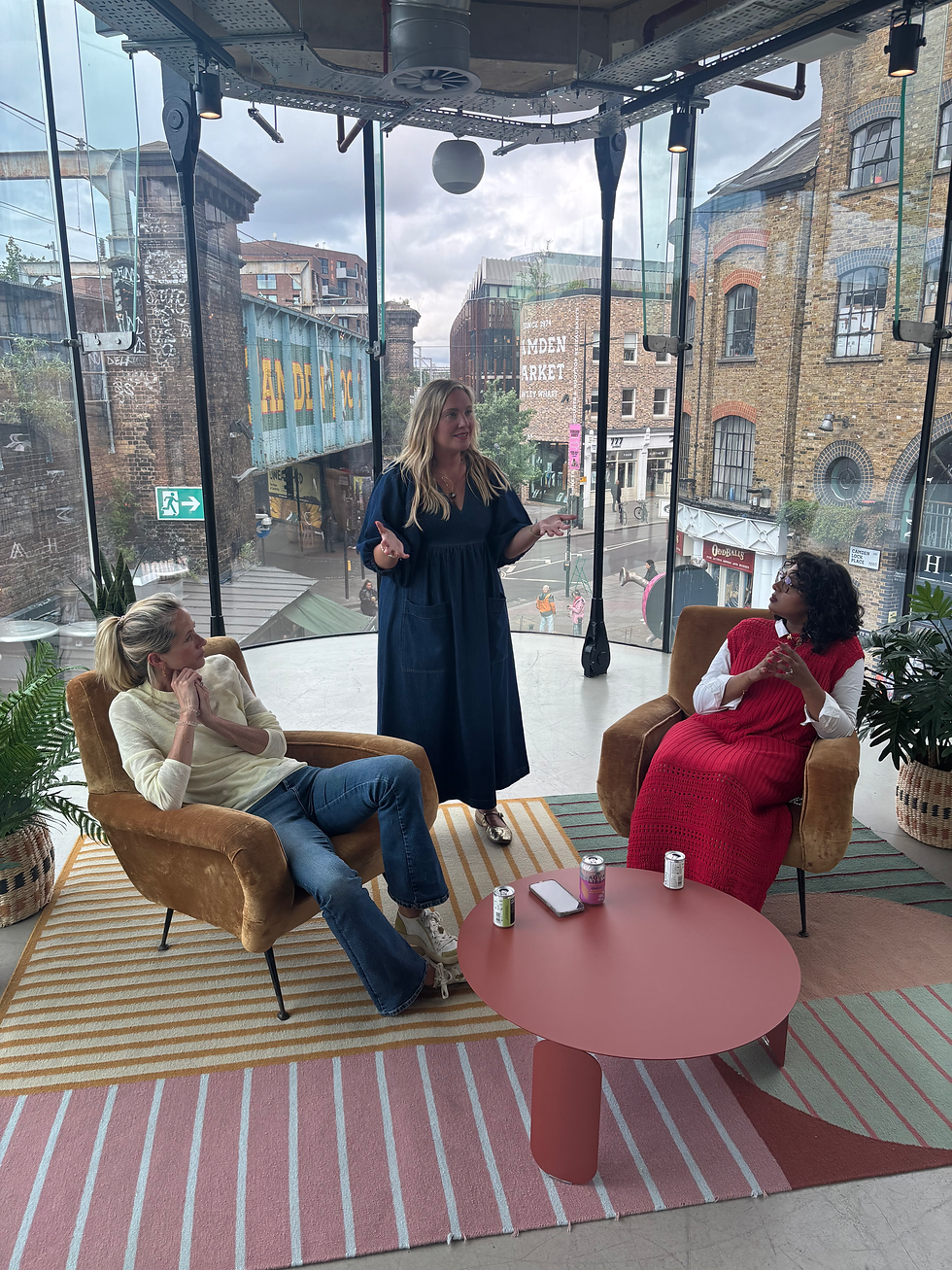
Group Coaching
Harnessing collective wisdom across individuals
Group coaching brings together individuals who do not sit in the same team, but who share similar challenges, roles, or stages of leadership.
Unlike team coaching, the focus here is not on a shared business outcome, but on individual growth supported by the power of the group.
Group coaching is incredibly effective because it draws out the collective wisdom in the room. Participants learn not only from coaching conversations, but from each other’s experiences,
perspectives, and questions. The result is insight, connection, and momentum, often faster than 1:1 work alone.
I’ve seen group coaching be particularly powerful when organisations want to:
● Develop emerging or senior leaders at scale
● Support leaders stepping into bigger or more visible roles
● Build confidence, presence, and peer connection
● Reduce isolation at senior levels
● Create shared language and leadership capability across the business
● Support female leaders through transition, growth, or challenge
● Manage periods of high uncertainty or turnaround
Group coaching creates a space that feels both safe and stretching, where leaders realise they’re not alone, and where learning accelerates through shared experience.
Choosing the right approach....
● Team coaching strengthens how a team works together to deliver results
● Group coaching strengthens individual leaders through collective insight
Both approaches are grounded in my own experience of leading teams under pressure and in my belief that strong performance is built on trust, psychological safety, and the ability to challenge and support one another in equal measure.
If you’re considering team or group coaching for your organisation or would like to explore which approach might best support your goals I’d be very happy to discuss it with you.